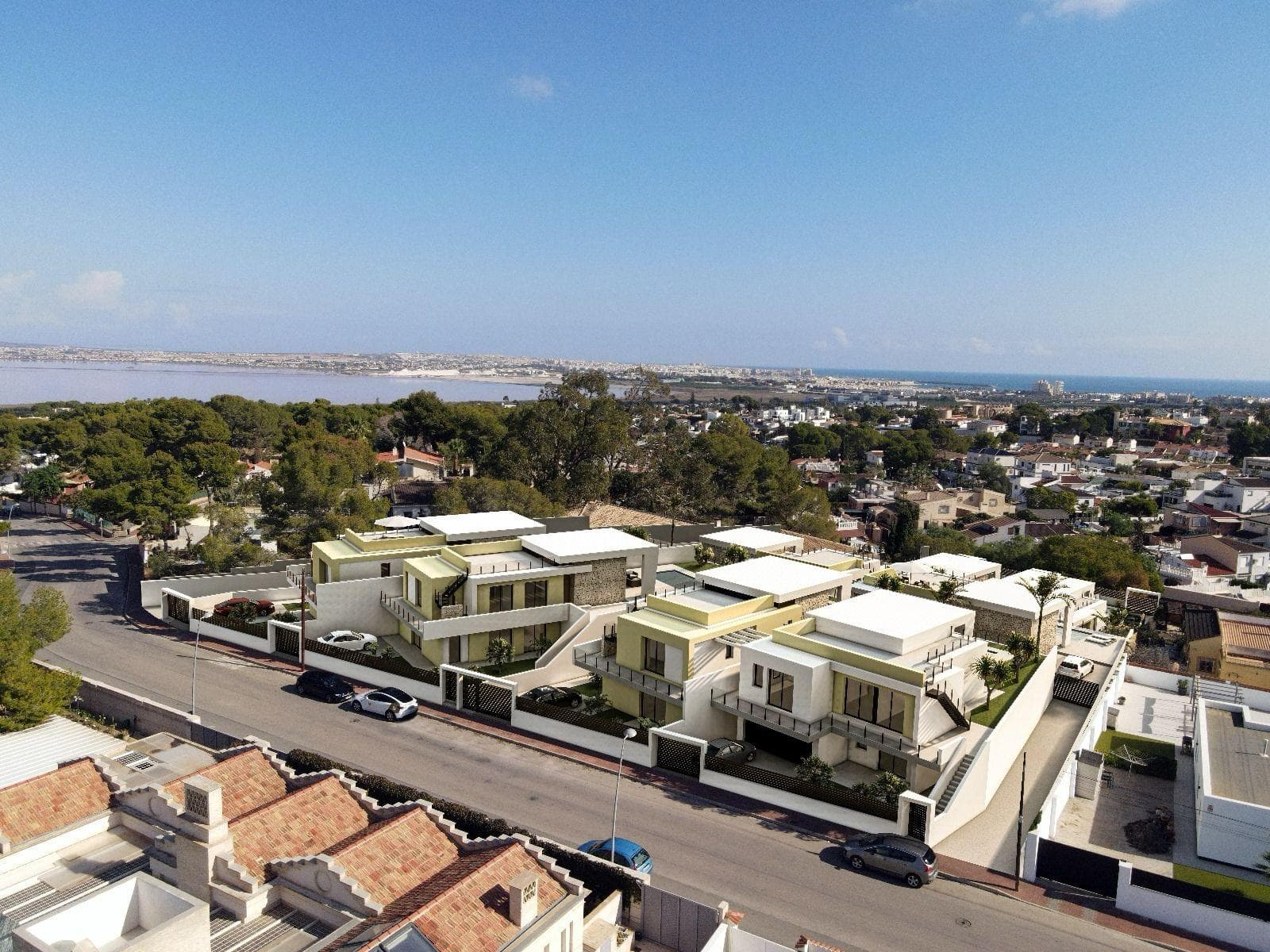
Buying property in Spain from another country is very common on the Costa Blanca, but it helps to separate three things from the beginning: the property decision, the financing and the legal and tax steps that apply to your personal situation.
Start by defining use, budget and area
Before getting into documents, decide what the purchase is for: main residence, second home or investment. That changes the kind of property, the area and the importance of maintenance, community arrangements and proximity to services.
Torrevieja, La Mata, Los Balcones and Aguas Nuevas offer very different housing profiles. Comparing lifestyle first helps you avoid spending valuable viewing time on homes that do not match the way you will actually use them.
Documentation and preparation
The exact requirements depend on your circumstances, but it is normally useful to prepare:
- A valid identity document and up-to-date contact details.
- Information about the source of funds and any banking documentation that may be requested.
- A clear communication channel with your bank, adviser, lawyer or representative when they are involved.
- A plan for signing in person or considering representation if you cannot travel.
- A list of legal and tax questions to review with the relevant professionals before committing.
Finance: understand the scenario before reserving
If you need finance, try to understand your approximate borrowing position before selecting the property. Conditions for non-resident buyers can differ from those offered to residents and depend on the bank and the financial profile.
Do not base a reservation on an informal estimate. If the purchase depends on a mortgage, clarify with your lender which documents it requires, the likely timing and the limits that may apply to your case.
Viewing from abroad: reduce unproductive trips
If you only have a few days in Torrevieja, the pre-selection becomes especially important. Ask for enough information to rule properties out before travelling: layout, condition, community, approximate location and any relevant conditions.
A good viewing schedule groups comparable homes and leaves time to experience the areas. Decisions often improve when you compare not only the properties, but also what daily life around them would feel like.
Before moving forward with a property
- Check that the commercial information matches what you have viewed.
- Clarify which items are included in the sale and the agreed condition at handover.
- Request and review the relevant documentation with professional support.
- Confirm costs and obligations that apply to your own situation before finalising the figures.
- Put important conditions in writing before signing a reservation or purchase contract.