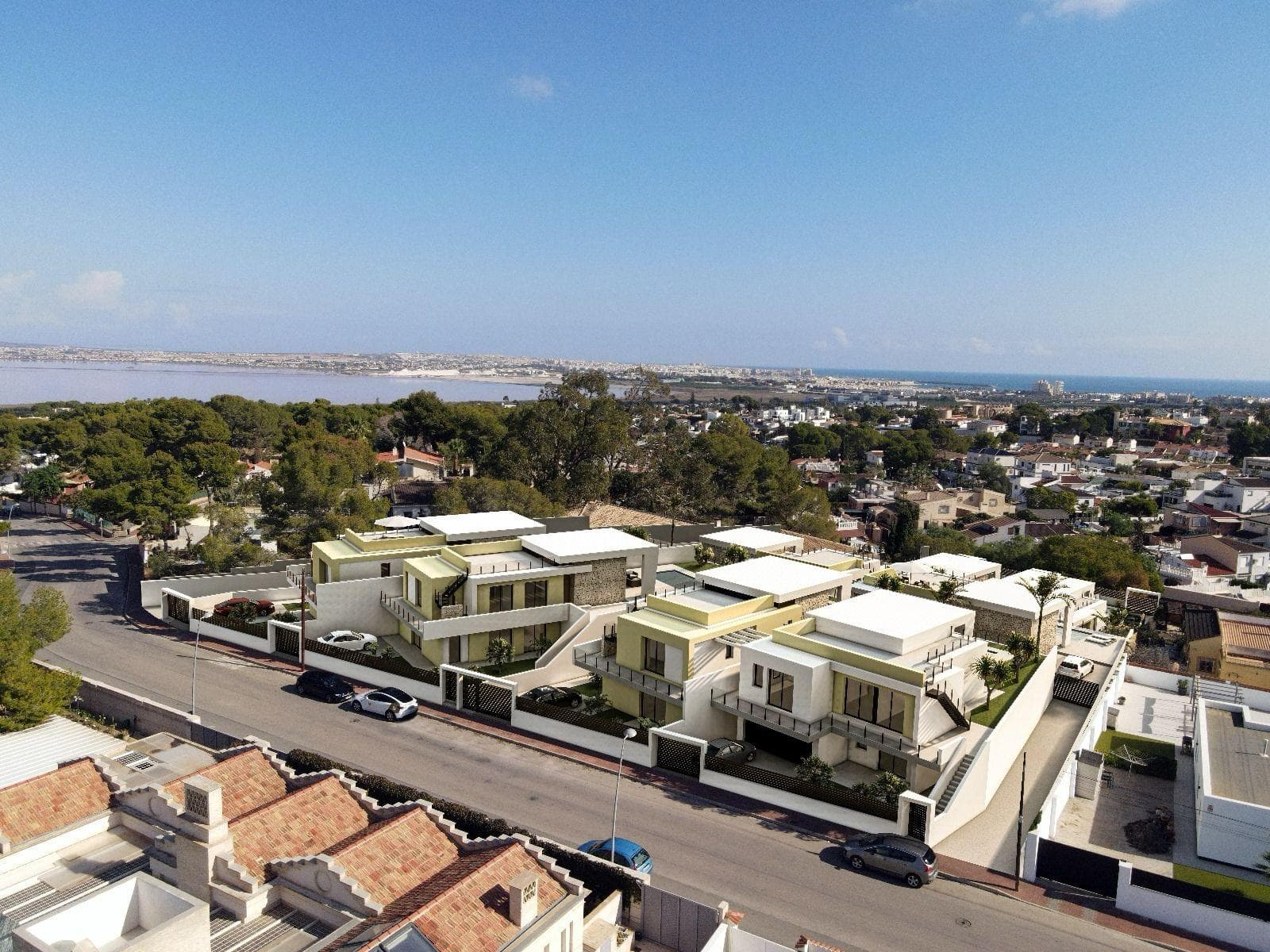
The price accepted by a buyer is not necessarily the amount the seller receives. A good sale plan should estimate net proceeds before launch, taking account of debt, taxes, municipal tax, fees and property-specific documentation.
Start with net proceeds, not only asking price
Before marketing a property, separate three figures: expected sale price, likely selling costs and estimated net proceeds. This helps prevent an apparently strong offer from producing an unexpected result at completion.
The exact tax position depends on tax residence, acquisition history, qualifying costs and improvements, use as a habitual residence and other facts. Generic percentages are not a substitute for reviewing the individual case.
Items that can affect the seller
- Tax on the capital gain: Spanish personal income tax for residents or Non-Resident Income Tax where applicable.
- Municipal capital-gain tax (IIVTNU) where applicable.
- Outstanding mortgage or secured debt and cancellation costs.
- Estate-agency fee and applicable VAT.
- Energy certificate and other required property documents.
- Costs associated with granting the deed unless the parties agree otherwise.
- Community or utility adjustments and other property-specific balances.
If you are Spanish tax resident
The sale generates a capital gain or loss that is reported in Spanish personal income tax. Broadly, the gain is calculated by comparing acquisition and transfer values with the adjustments allowed by tax rules.
The current savings-income scale is progressive, beginning at 19% and reaching 30% at the highest bands. The actual rate depends on the taxpayer's overall savings-tax base.
If you are non-resident
The buyer generally withholds 3% of the agreed sale price and pays it to the Tax Agency using Form 211. This is a payment on account of the seller's tax liability.
The seller subsequently files Form 210 for the property gain. The current general rate is 19%, and where the withholding exceeds the final liability a refund may be due.
Municipal tax is separate from capital-gain tax
IIVTNU, commonly called plusvalía municipal, is a local tax distinct from personal or non-resident income tax. It concerns the increase in value of urban land and depends on the property and applicable municipal rules.
A property-specific estimate is more useful than applying a generic percentage to the sale price.